Back in 1993, a small film magazine ran a reader poll that, at the time, seemed like just another fan ranking. But when you look at it today, it feels almost prophetic. The question was simple: “Who is your favourite hero?” Yet the answers captured the entire emotional map of Indian cinema.
Amitabh Bachchan sat on top with a jaw-dropping 56% of the votes. More than half the country still chose him even though his golden run had slowed, even though some of his films had stopped working, even though he himself had almost stepped away from the screen. That number wasn’t just popularity; it was devotion. It was India saying, “We’re not done with you yet.”
And beside that result, the magazine boldly called him “The Last Emperor.”
At that moment, honestly, it felt believable. Who could possibly replace him?
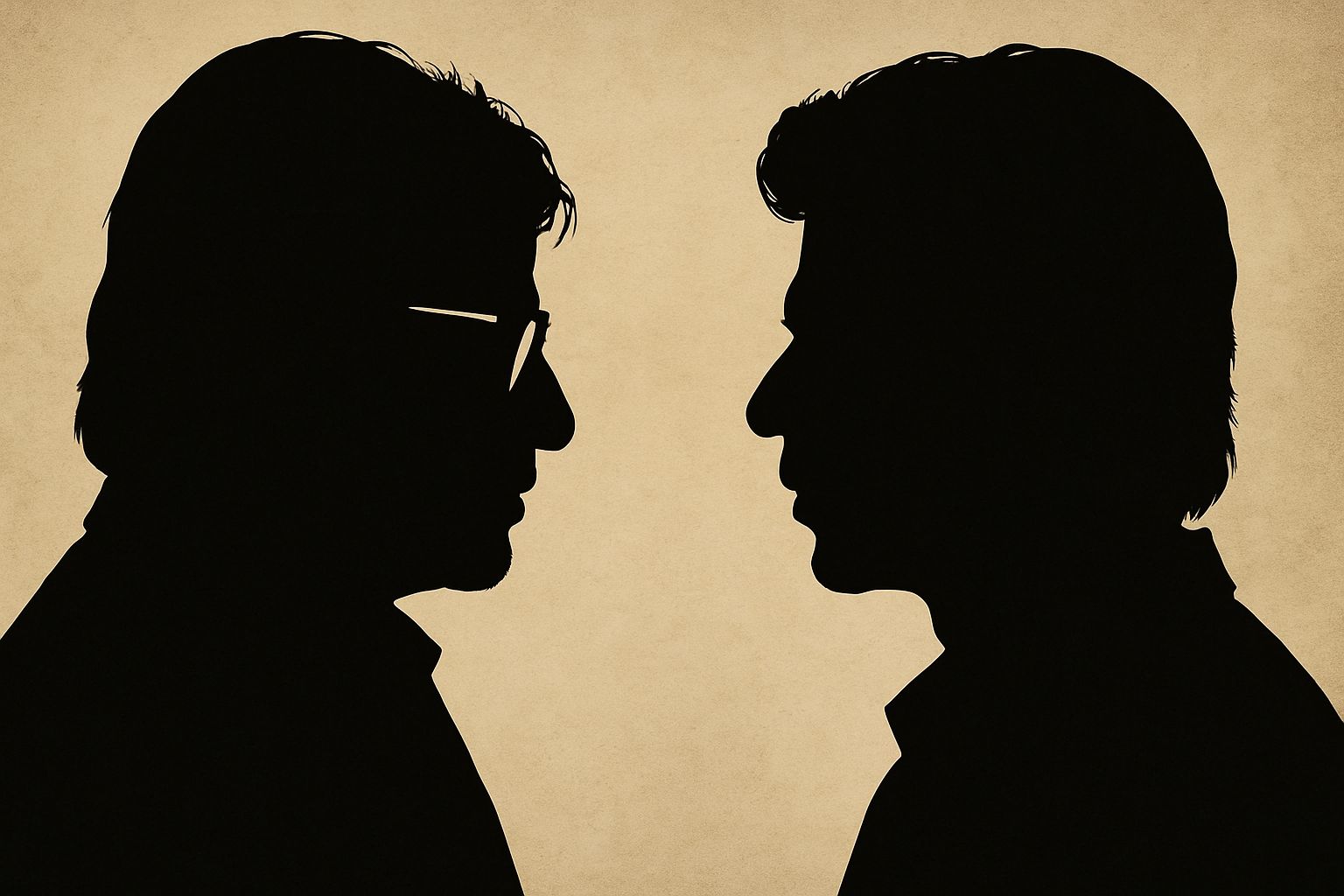
But tucked quietly towards the lower side of that list was a name most people barely noticed, Shah Rukh Khan. He had debuted only a year earlier. He was still the TV guy who suddenly appeared in films. That poll gave him just one percent of the votes. One. Percent.
If someone had told readers in 1993 that this unknown boy with a single digit would become the next face of Indian superstardom, they would’ve laughed. But destiny writes its own scripts.
Within two years, Shah Rukh Khan exploded onto the scene in a way Amitabh himself would’ve smiled at. Darr, Baazigar, DDLJ, and then an unbroken chain of cultural moments that made him the heartbeat of an entire generation. He didn’t wait for Amitabh’s throne to be vacant. He built a brand-new one, carved from romance, charisma, wit, and an emotional connection no one had seen before.
For almost twenty years, SRK wasn’t just a star he was the atmosphere. He was the face people smiled with, cried with, grew up with. His interviews felt like stories. His films felt like festivals. He became the mood of modern India, and he held that place with a consistency very few in the world, let alone Bollywood, have ever managed.
And that’s when a statement started floating around:
“Shah Rukh Khan may be the last superstar.”
At first, it sounded like fans being dramatic. But slowly, the world began to change in ways that made the line feel real. The mystique that once made stars untouchable began fading. Actors became accessible, visible, overexposed. The country that once united around a single Friday release was now split into OTT screens, reels, gaming streams, regional industries, and algorithm-driven fame.
The idea of one hero ruling the cultural imagination of an entire nation started to feel impossible. Amitabh belonged to a time when India looked at one screen. SRK belonged to a time when India still walked into theatres as a collective. But today’s India is scattered, still emotional, still passionate, but fragmented.
And in that fragmented world, SRK feels like the last of a dying breed.
The last man who can walk out on a balcony and stop traffic.
The last man whose film releases feel like national celebrations.
The last man who can unite fans across states, languages, generations, and even countries.
His return in 2023 wasn’t just a comeback, it was proof that the country still has space in its heart for a true star. But it also reminded us that no one else from the new generation commands that kind of madness anymore. There are brilliant actors today, some even remarkable performers, but there is no phenomenon. There is no one who feels larger than life yet deeply personal at the same time.
And that’s why the idea that SRK might truly be the last star doesn’t feel exaggerated anymore, it feels logical. Maybe this time the prophecy won’t be wrong. Maybe after Amitabh, the last emperor, and Shah Rukh Khan, the last star, the lineage really does end.
Cinema will go on. Actors will rise. Blockbusters will happen. But that rare, majestic blend of myth and humanity that defined Amitabh and SRK that might never return. Some eras genuinely end. Some legacies genuinely cannot be repeated.
Maybe India has already seen its final superstar.
Maybe this story really does end with Shah Rukh Khan, the boy who once had one percent, and went on to claim the whole world.