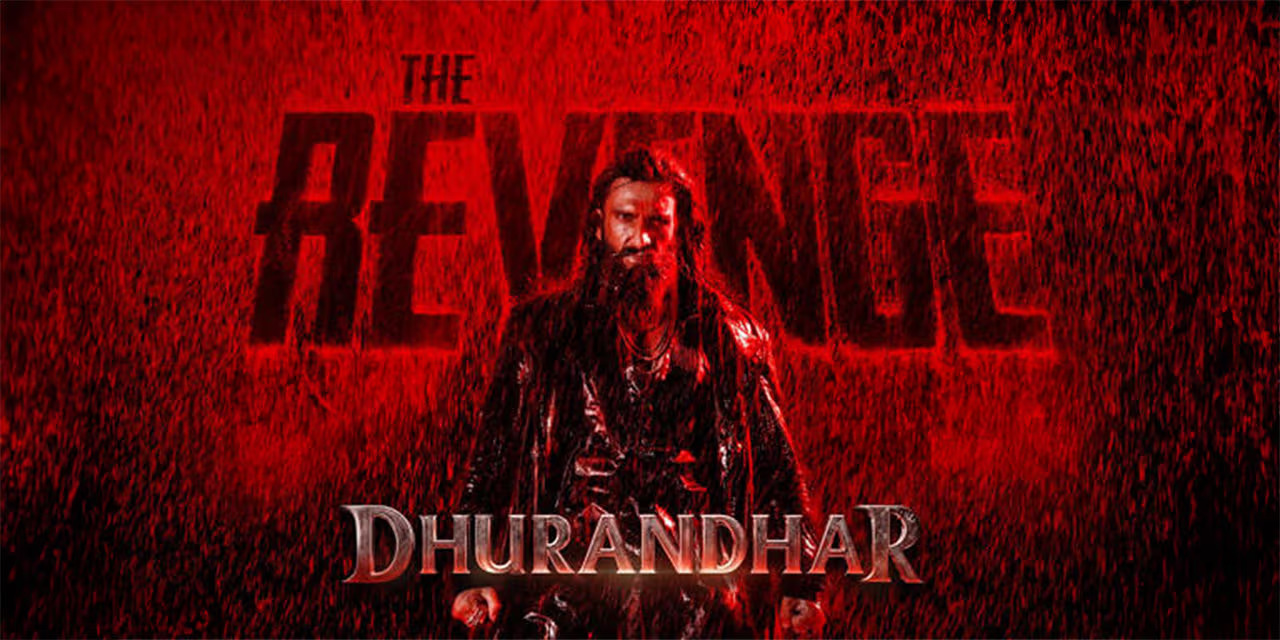
Dhurandhar Review: A Raw, Unapologetic Spy Thriller With Stellar Craft but Uneven Payoff
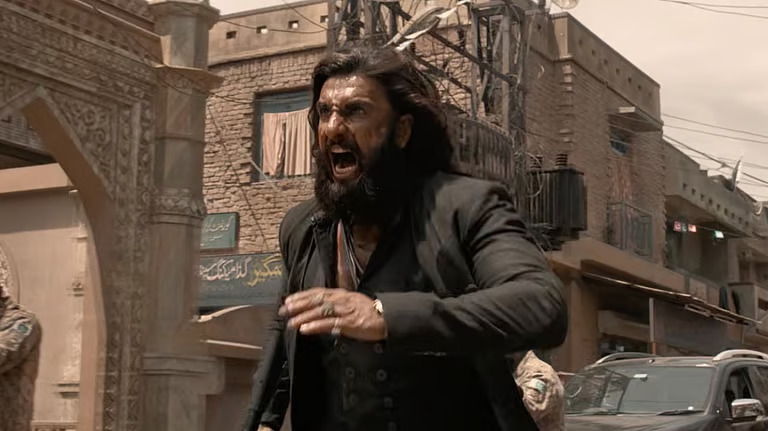
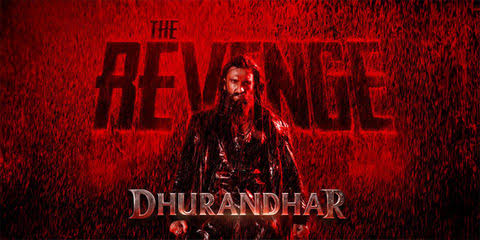
Aditya Dhar returns with Dhurandhar, a gritty espionage drama that dares to be brutal, layered, and morally ambiguous. From the opening frame, the film makes its intent clear this isn’t a sanitised, hero-worshipping spy thriller. It’s a world of shadows, violence, and consequences, and Dhar treats it with the seriousness it deserves.
A Gripping, Immersive First Half
The first half is where Dhurandhar shines brightest.
The setup is tight, the pacing sharp, and the world-building incredibly detailed. Every character, mission cue, and political undercurrent is appropriately placed, creating an atmosphere thick with tension.
Some action sequences are genuinely staggering not merely for shock value, but for how realistically they capture the brutality of the espionage world. The sound design deserves a special mention; it elevates the impact of every gunshot, chase, and emotional beat.
By interval, the film has you fully hooked. It’s raw, unapologetic, and bound to spark debates about morality but the story demands that grit.
Chapter-Wise Storytelling Is the Film’s Biggest Win
One of the standout elements is the film’s chapter format.
Each one adds its own flavor, tone, and emotional weight:
- Chapter 1: Price of Peace – Sets the stakes and moral conflicts.
- Chapter 2: Stranger in the Land of Shadow – Introduces the darker geopolitics.
- Chapter 3: The Bast*ard King of Lyari – A sharp, audacious shift in tone.
- Chapter 4: Bullets & Roses – Stylish, violent, and emotionally textured.
- Chapter 5: The Jinn – A haunting, psychological stretch.
- Chapter 6: The Devil’s Guardian – The most intense chapter of the film.
- Final Chapter: Et Tu Brutus – Sets up the betrayal-driven climax and hints at the storm awaiting in Part 2.
This chapter structure not only enriches the narrative but also offers a sense of progression rarely seen in Indian spy dramas.
A Second Half That Loses Some Momentum
While the second half continues the thematic intensity, it’s noticeably weaker than the first.
The writing begins to hold back almost too consciously in order to reserve heavy emotional and narrative payoffs for Part 2.
The result?
This installment feels slightly underwhelming compared to the promise of its brilliant setup. The momentum doesn’t fully sustain, and some sequences feel extended without additional value.
Yet, despite these dips, the film never becomes dull. It still remains watchable, engaging, and ambitious.
Performances: Akshaye Khanna Steals the Show
If there’s one performance that elevates Dhurandhar beyond its inconsistencies, it’s Akshaye Khanna.
He is electrifying every stare, every pause, every line delivery oozes controlled madness and intelligence. This is one of his most impactful roles in years.
Other performances support the narrative well, but it’s Khanna who farms aura from start to finish.
Aditya Dhar’s Vision: Bold, Brutal, Uncompromised
Even with a few unnecessary bloody sequences, Dhar’s filmmaking remains sharp and impressive.
His commitment to authenticity, detailing, and espionage mechanics gives the film a distinctive identity. Few Indian spy thrillers delve this deeply into the machinery of intelligence operations their politics, sacrifices, and unfiltered violence.
Final Verdict
Dhurandhar Part 1 is a bold, gritty, and intricately crafted espionage thriller that delivers a powerful first half, strong technical work, and standout performances especially from Akshaye Khanna.
However, its decision to hold back major payoffs for Part 2 results in a slightly diluted impact.
Still, as a cinematic experience, it works raw, intense, ambitious, and unapologetically dark.
⭐ RATING: 3.5/5
Part 2 has enormous potential, and despite the shortcomings, we’re seated and waiting for the closure.