Akshaye Khanna 2.0 and the Slow Accumulation of Authority
Akshaye Khanna’s career has rarely followed the predictable arcs of Hindi cinema. He has moved in pauses rather than phases, returning just as assumptions about his absence began to settle. For years, his talent was acknowledged even as his choices puzzled. Today, that seeming inconsistency reads differently.
What is now being described as Akshaye Khanna 2.0 is not a reinvention, but the result of a long process of alignment between temperament, material, and intent.
The early markers of this shift appeared in Article 375. In a film that invited loud responses, Khanna chose understatement. His performance relied on institutional authority rather than emotional emphasis. Power, in his hands, was internalised. The role did not seek sympathy or spectacle; it functioned through conviction.
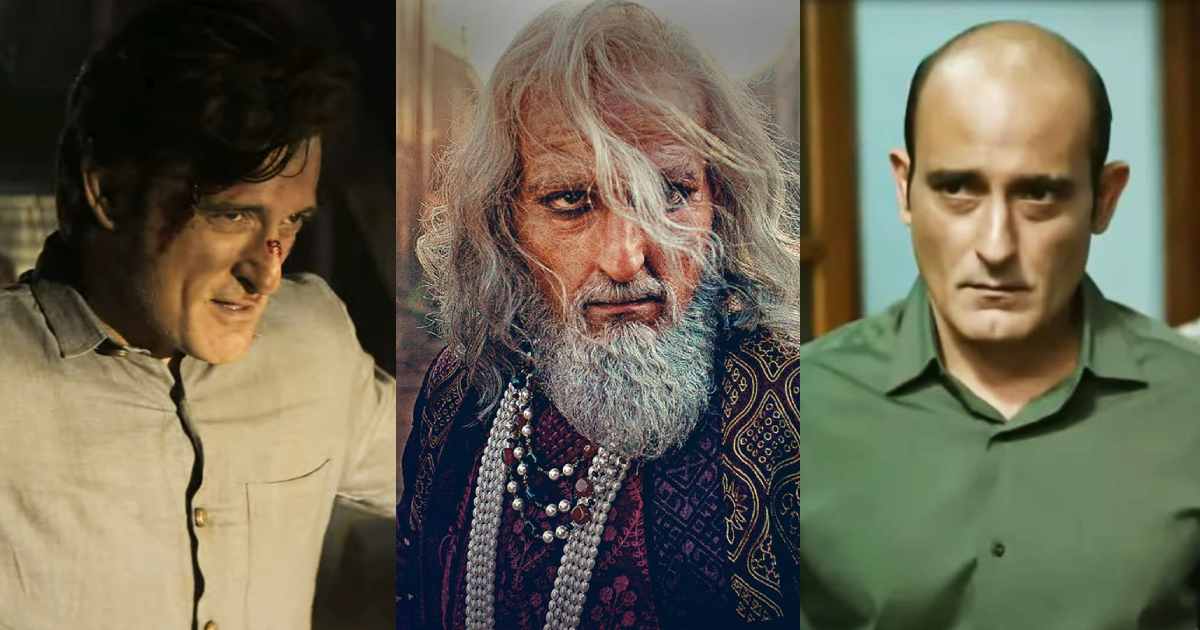
The transformation became unmistakable with Drishyam 2. As the investigating officer, Khanna introduced an unusual tension into the film. He did not hurry the narrative forward; he slowed it down. His character listened more than he spoke, allowing silence to accumulate weight. The menace lay not in confrontation, but in patience.
What distinguished the performance was its confidence in restraint. Khanna trusted the writing and, more importantly, the audience. The result was a character whose presence lingered beyond the film, quietly reframing his position within the industry.
That sensibility carried forward into Chhaava, a film whose significance in Khanna’s recent journey is often understated. His role did not hinge on scale or dramatic flourish. Instead, it demanded presence. Khanna’s performance was built on composure a quiet certainty that allowed scenes to settle around him. He neither chased attention nor relinquished control. In retrospect, Chhaava feels like a crucial consolidating step rather than a departure.
Notably, the success of Drishyam 2 did not lead to overexposure. Instead, Khanna became more selective. This discipline was evident in Dhurandhar, where his performance felt settled rather than exploratory. There was no attempt to demonstrate range, clarity had become the priority. The camera responded accordingly, allowing his presence to shape the rhythm of scenes.
Within this context, reports of Khanna stepping away from Drishyam 3 assume significance. In a franchise-driven industry, exiting a successful series is rarely impulsive. The decision appears less about distancing himself from a character and more about protecting coherence of the role, and of his carefully constructed screen identity. Repetition, it seems, is a risk he is unwilling to take.
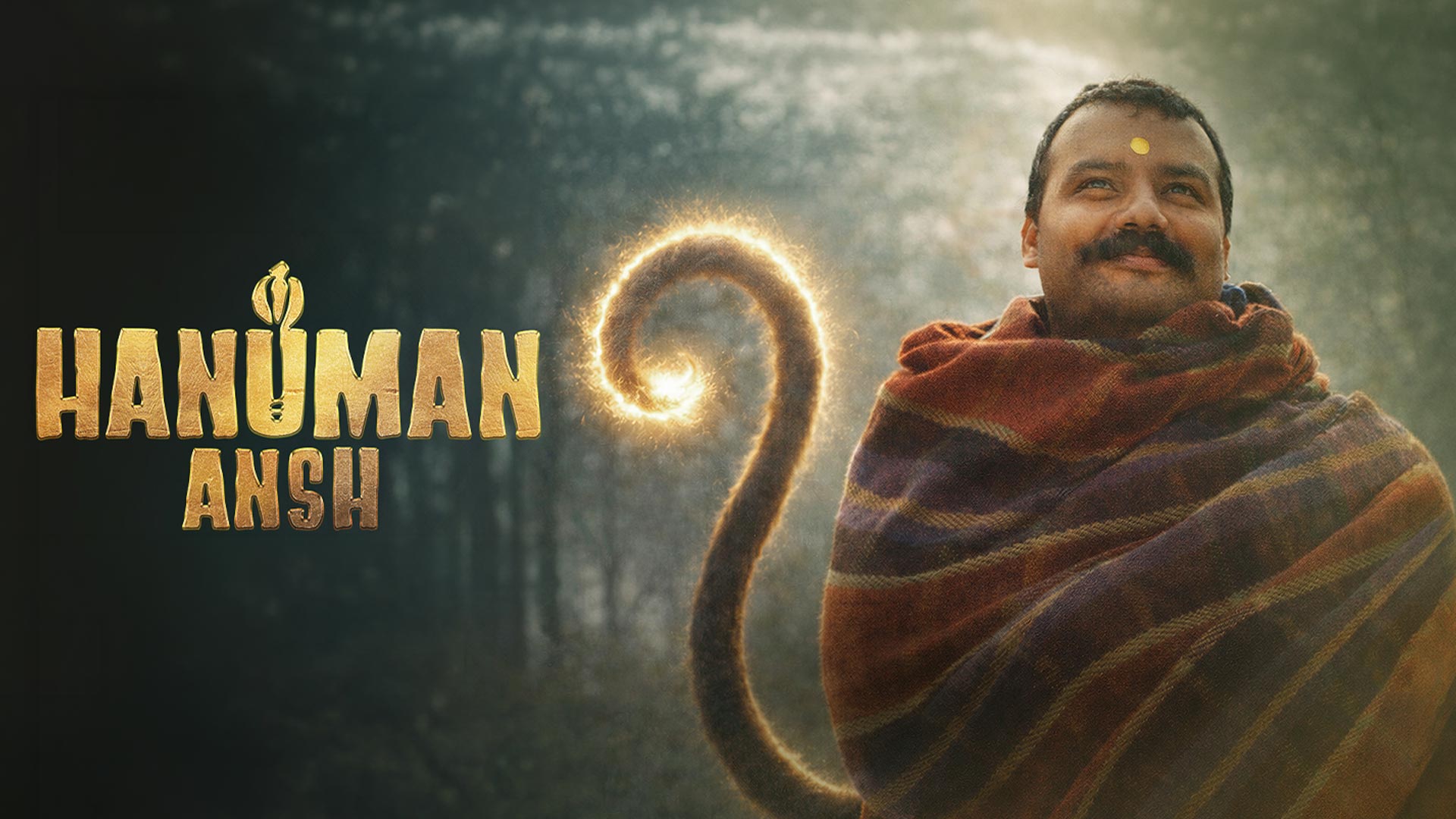
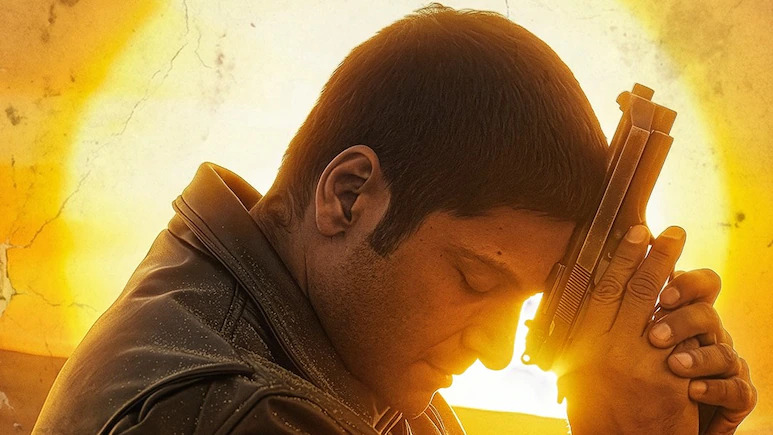
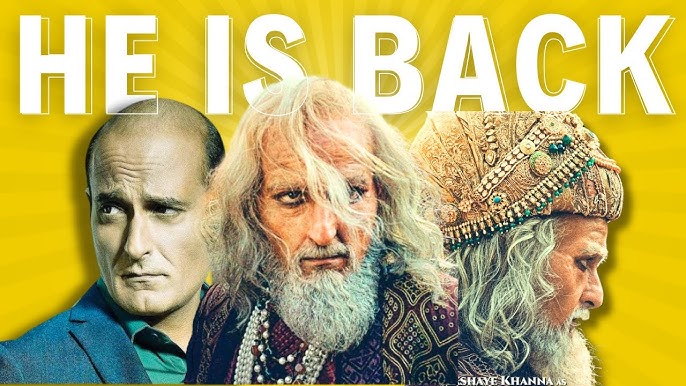
Looking ahead, Khanna’s choice to portray Shukracharya in Mahakali feels consistent with this trajectory. The role demands intellect, moral complexity, and philosophical depth qualities that align naturally with his recent body of work. It is not a departure, but an extension of the authority he has been steadily accumulating.
What defines Akshaye Khanna 2.0 is not visibility, but assurance. He has arrived at a stage where frequency matters less than fit. His performances no longer seek validation; they assume it. In an industry shaped by urgency and constant reinvention, Khanna represents an alternative model one where authority is built slowly and sustained quietly.
Seen in retrospect, his career no longer appears fragmented. It appears deliberate.
Akshaye Khanna has not changed who he is.
He has simply allowed time to complete the performance.