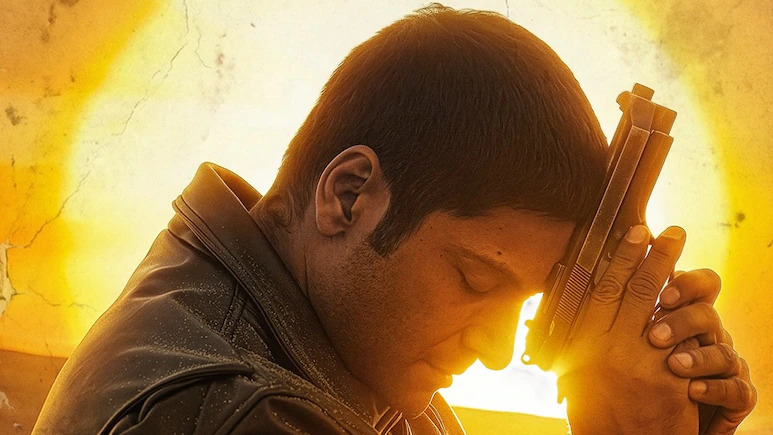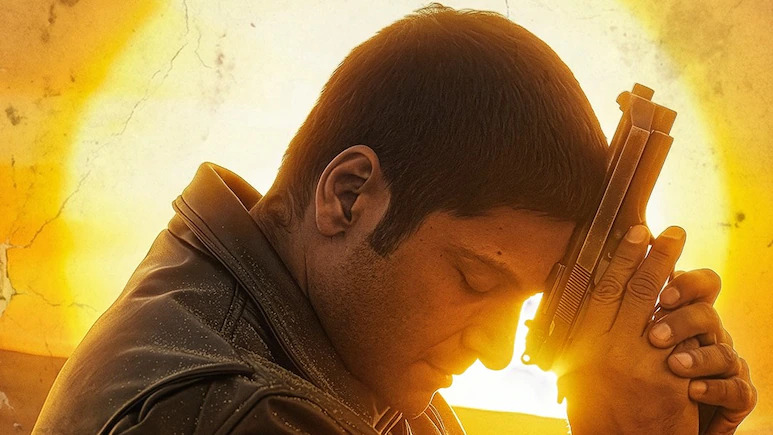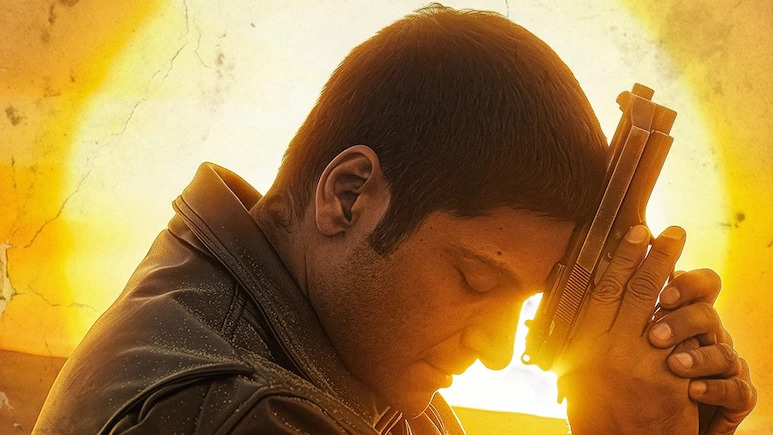
The last three years have been unusually kind to Bollywood’s box office. After a long phase of uncertainty, Hindi cinema has quietly delivered something rare, five all-time blockbusters in a short span of time. Not all for the same reasons, not in the same markets, and not with the same audience base, but each with undeniable acceptance.
The films are clear:
Pathaan
Gadar 2
Jawan
Stree 2
Dhurandhar
What makes this phase interesting isn’t just the numbers. It’s how different these films are from one another.
Pathaan: The Turning Point
When Pathaan released, expectations were high, but the industry itself was nervous. Theatres were still recovering and audience faith in Bollywood was shaky.
The film worked because it felt confident. It was mounted on a big scale, carried star power, and gave audiences exactly what they went to theatres for, spectacle. Once the film settled into a strong run, it became clear that audiences were ready to return, provided the film felt worth the effort.
Pathaan didn’t fix everything overnight, but it changed the mood.
Gadar 2: A Ground-Level Phenomenon
Gadar 2 was a very different story. Its strength came almost entirely from domestic footfalls. In many centres, especially single screens, the response was overwhelming.
It wasn’t a film driven by reviews or urban conversation. It worked because people connected with its emotion and familiarity. The kind of response it received showed that mass audiences still form the backbone of Bollywood’s biggest box-office stories.
Jawan: Scale Meets Reach
If Pathaan brought audiences back, Jawan expanded the reach further. It played strongly in India and overseas, in multiplexes and mass centres alike.
The film’s success wasn’t limited to its opening. It stayed in theatres for weeks, driven by repeat viewing and wide appeal. Jawan showed what happens when presentation, performance and timing all come together.
Stree 2: Content Finds Its Moment
Stree 2 probably surprised the industry the most. It wasn’t designed as a record-breaker, but it slowly turned into one.
Strong writing, familiar characters and consistent word of mouth helped the film grow beyond expectations. It proved that audiences are willing to support films that feel honest and entertaining, regardless of genre.
Its success quietly changed assumptions about what kind of films can become box-office giants.
Dhurandhar: Consistency Over Noise
Dhurandhar completes the list in a very different way. Its journey wasn’t about shock value or sudden spikes. Instead, the film built its numbers steadily.
It held well over time, avoided sharp drops, and continued drawing audiences week after week. That consistency is what places it alongside the other four not because it tried to be bigger, but because it lasted.
Looking at these five films together, one thing becomes clear: there is no single path to success anymore.
Some films worked because of nostalgia, some because of star power, some because of content, and some because of consistency. What they share is audience trust.
People showed up because they believed the film would deliver something worth watching in a theatre.
Five all-time blockbusters in two years doesn’t mean every big film will work. But it does mean that Bollywood, when it gets things right, can still bring audiences together at a massive scale.
This phase will be remembered not for one film dominating the rest, but for the fact that very different films succeeded side by side.
And that, perhaps, is the healthiest sign Bollywood has shown in years.