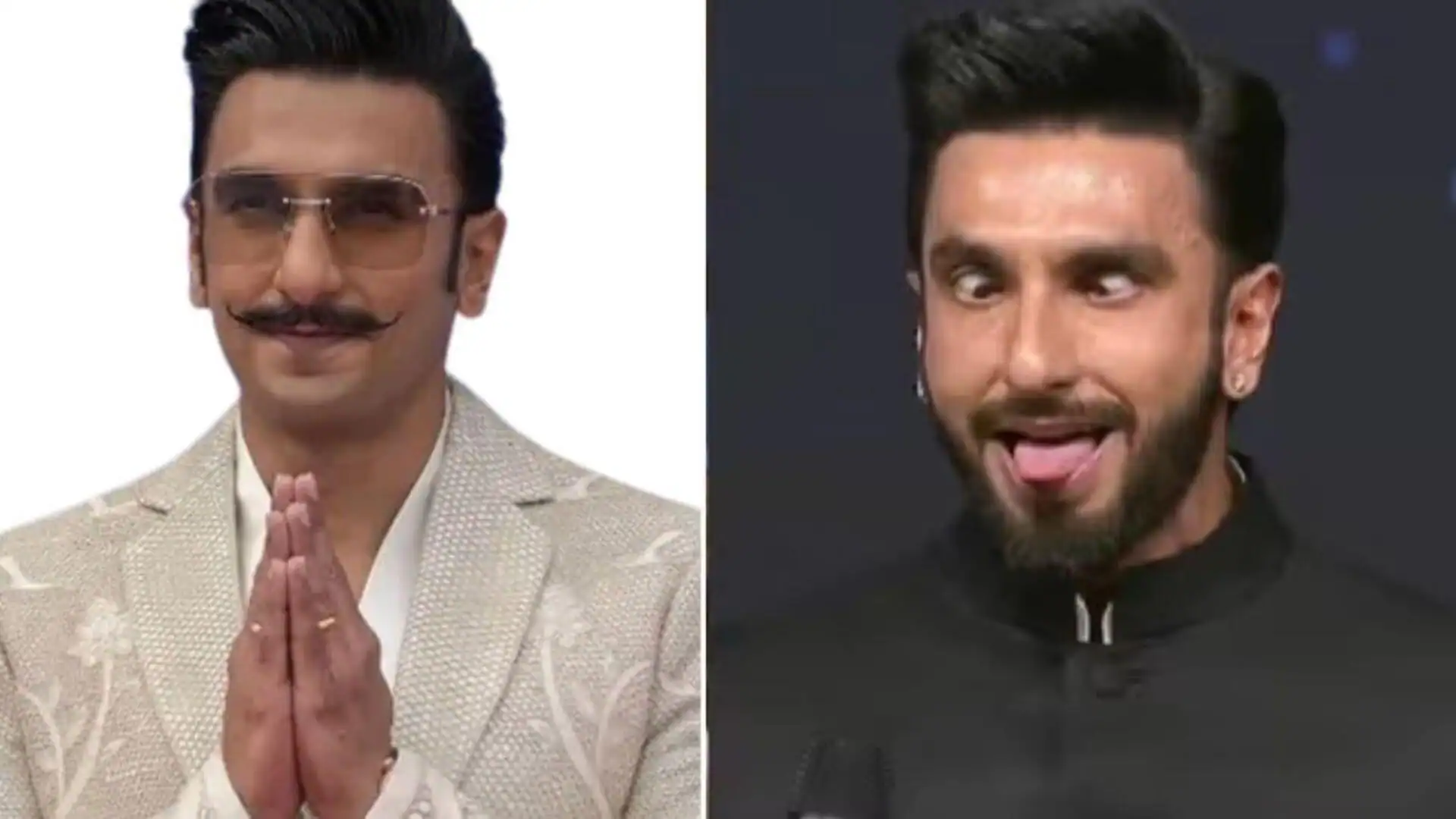
Ranveer Singh to issue unconditional apology in Kantara mimicry row, High Court asks him to visit Chamundi Hill
Actor Ranveer Singh has agreed to issue an unconditional apology in connection with the controversy surrounding his mimicry of a scene from Kantara: Chapter 1. The development came during a hearing in the Karnataka High Court, where the actor is seeking to quash an FIR filed against him.
Court directs apology and personal visit
During the proceedings, counsel representing Ranveer Singh informed the court that the actor is willing to issue an unconditional apology for his actions. The bench observed that the act was inappropriate and stressed the responsibility public figures hold in society.
The court further noted that if the complainant insists on a personal apology, the actor should comply. It was also suggested that Ranveer Singh visit Chamundi Hill and offer an apology to demonstrate genuine remorse.
Senior advocate Poovayya, appearing for the actor, confirmed that an affidavit expressing regret would be filed and that Ranveer Singh would visit Chamundi Hill as directed. The matter has been adjourned to April 10 for further hearing.
Complainant questions sincerity
Advocate C.G. Malayali, representing the complainant, argued that the actor’s earlier apology lacked sincerity. He pointed out that the apology was issued via a social media post and not delivered verbally, despite the alleged remarks being made in person.
He further contended that Ranveer Singh should personally visit the site and apologise, a view that the court acknowledged during the hearing.
What triggered the controversy
The controversy dates back to a public event ahead of the release of Dhurandhar, where Ranveer Singh mimicked a scene inspired by Kantara: Chapter 1 in the presence of filmmaker-actor Rishab Shetty.
During the act, he reportedly compared the revered Chamundi Daiva figure to a “female ghost,” which sparked backlash from several quarters.
While some in the audience reacted with laughter at the time, a video of the performance later went viral on social media, leading to widespread criticism. Many users described the act as insensitive and disrespectful to cultural and religious sentiments associated with the Daiva tradition in coastal Karnataka.